
Kerala Travel Guide:
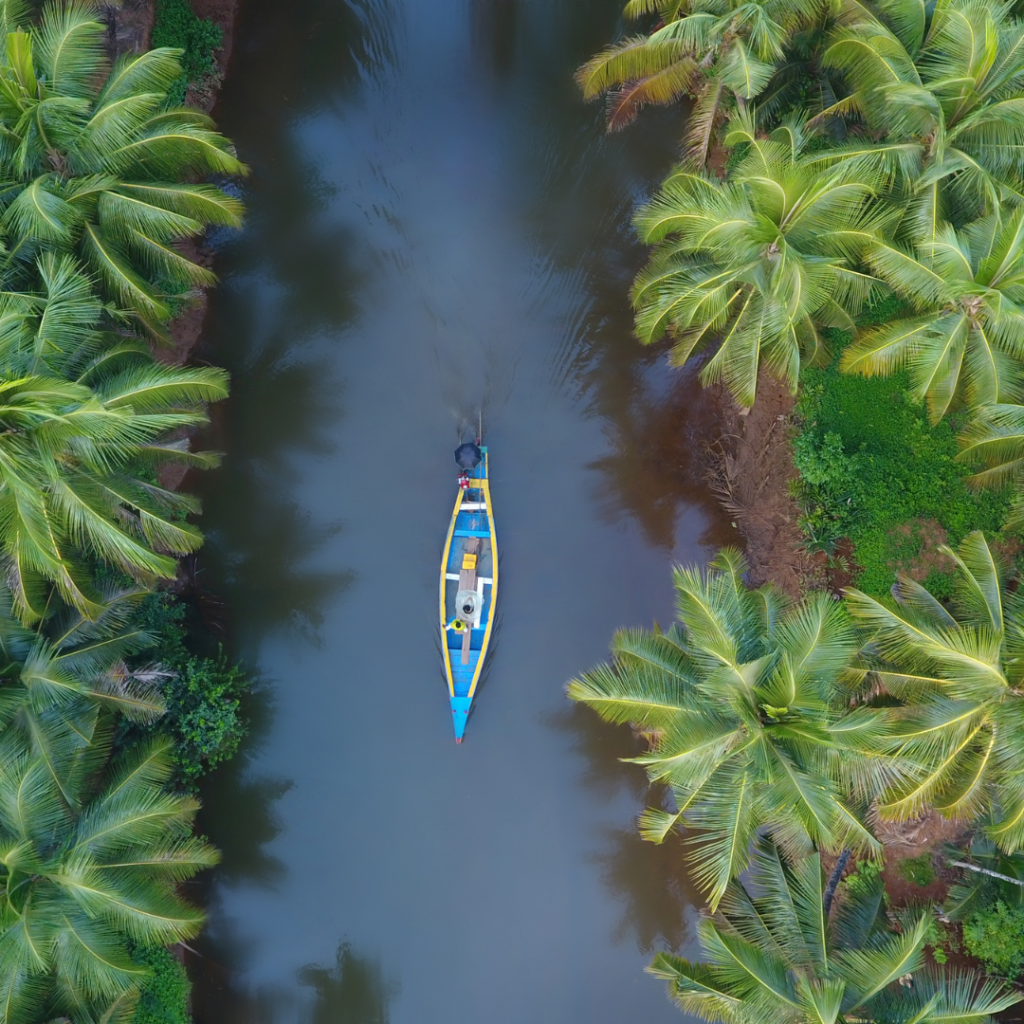
Kerala, also known as “God’s Own Country,” is a land where nature appears to spring to life at every turn. From the peaceful backwaters of Alleppey to Munnar’s rolling green tea estates, every view looks like a postcard. You may drift down palm-lined canals on a houseboat, watch the sun set over golden beaches, or trek through puffy hills covered with spice plantations. Kerala’s culture is no less rich—recent dances of Kathakali, delicious cuisine, and friendly welcoming locals make every moment special. Be it relaxation or adventure, Kerala tour has a beautiful mix of nature, culture, and memories to be cherished.
Why Visit Kerala
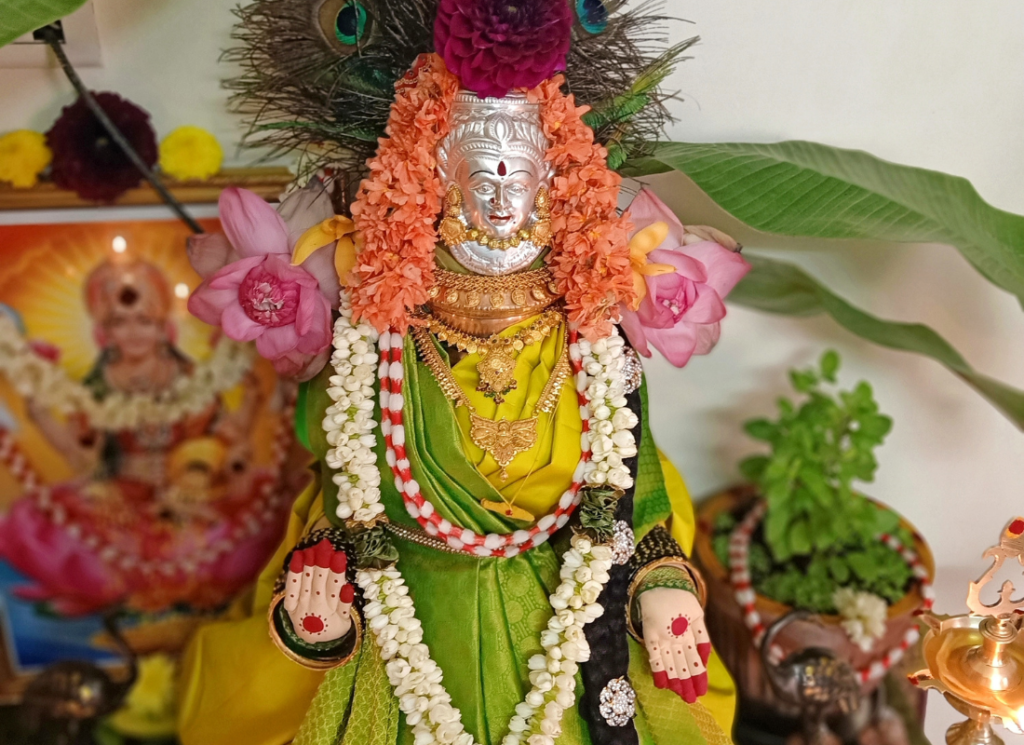
Kerala isn’t just a destination—it’s an experience that stays with you. With its blend of stunning landscapes, rich traditions, and warm hospitality, it offers something for every kind of traveler. Whether you’re a nature lover, foodie, or culture seeker, Kerala promises memories you’ll cherish forever.
- Breathtaking Nature – From emerald tea gardens to serene backwaters and golden beaches, Kerala is a paradise for nature lovers.
- Exotic Houseboat Stays – Drift through serene backwaters aboard a time-honored houseboat, absorbing serenity and scenic vistas.
- Rich Culture and Traditions – Experience rich festivals, ancient arts like Kathakali, and ancient temples.
- Delicious Local Cuisine – Savor fresh sea food, pungent spices, and Kerala's renowned appam with stew.
- Warm and Hospitable People – Enjoy warm hospitality that makes you feel home everywhere you go.
A Complete Kerala Backwater Tour will show you the beauty of Kerala.
Top Cities to Visit in Kerala:
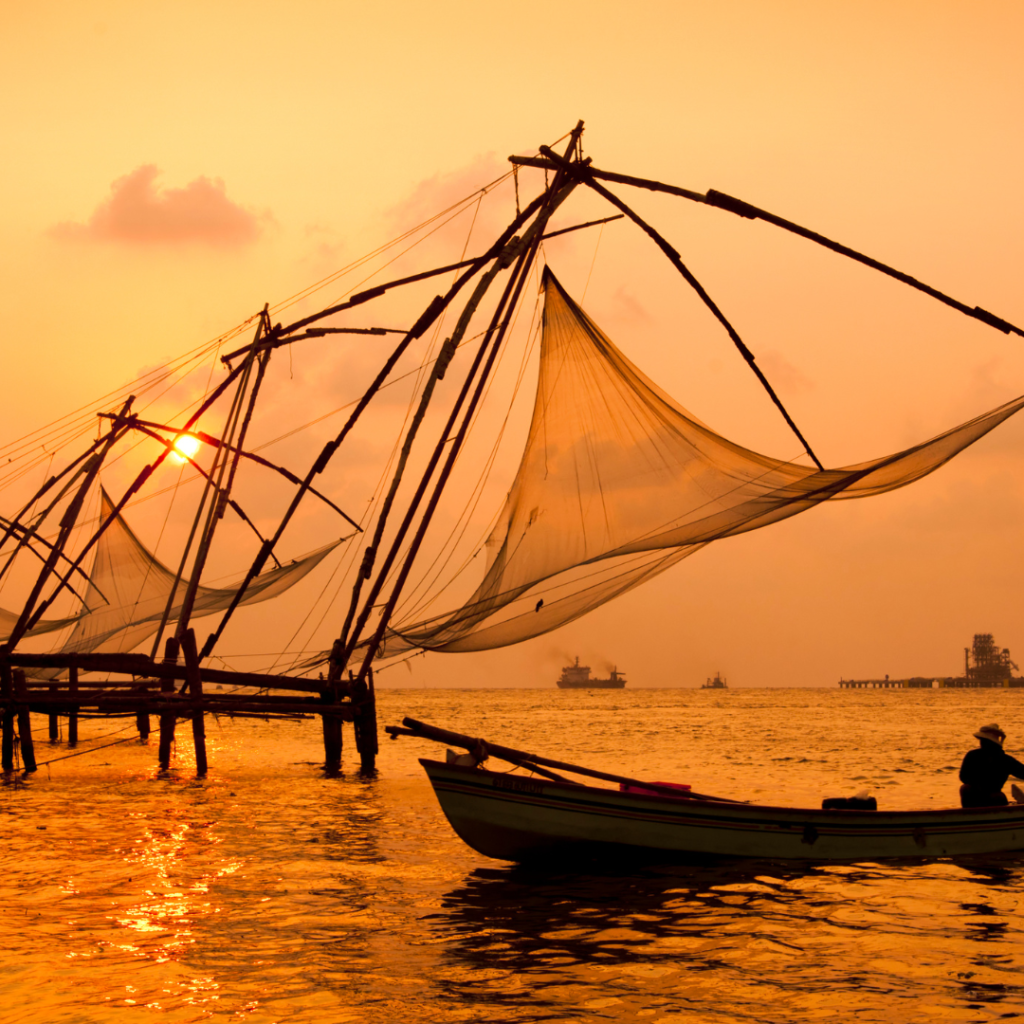
Kerala, fondly referred to as “God’s Own Country,” is a haven of greenery, peaceful backwaters, and rich heritage. From calm beaches to misty hill stations, it has something for all travelers. Below are five city visit must-haves that reveal the real beauty and essence of Kerala.
- Kochi – A lively port city with its mix of history, art, and coastal beauty.
- Munnar – Tea gardens rolling in every direction, pleasant climate, and majestic hills.
- Alappuzha – Renowned for backwaters, houseboats, and serene canals.
- Thiruvananthapuram – Cultural capital with ancient temples and beaches.
- Kozhikode – Renowned for cuisine, beaches, and spice markets.
Major Tourist Attractions in Kerala:
Historical Attractions:
1. Fort Kochi
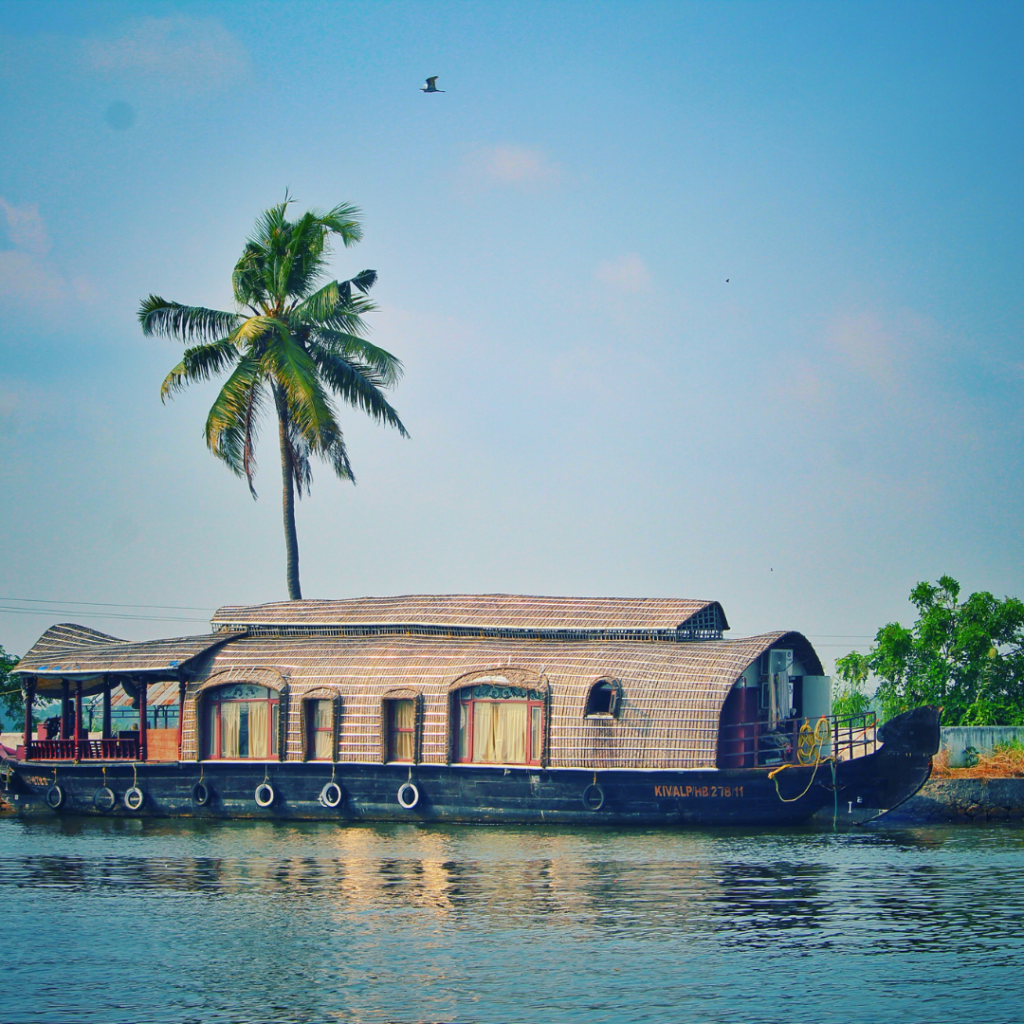
Fort Kochi is a quaint sea-side destination famous for its colonial heritage. With Portuguese, Dutch, and British influences, it’s as if stepping through history. Wander through ancient churches, spice markets, and Chinese fishing nets and immerse yourself in the mix of European and Indian architecture and culture.
2. Mattancherry Palace
Also known as the Dutch Palace, this palace from the 16th century in Kochi is a must-see. Gifted by the Portuguese to the Kochi rulers and then revamped by the Dutch, the palace is home to stunning murals, portraits of kings, and interesting artifacts of Kerala’s royal past.
3. Bekal Fort
Situated by the Arabian Sea at Kasaragod, Bekal Fort is among the biggest forts in Kerala. Its enormous walls and beautiful location make it both a historical site and a beautiful place. The view from the top, where the waves splashing below can be seen, is simply irreplaceable.
4. Padmanabhapuram Palace
While technically located in Tamil Nadu, the former palace of the Travancore kings is culturally associated with Kerala. Conceived in traditional Kerala style, it’s famous for elaborately carved woodwork, antique furniture, and a from-another-century charm that takes you centuries back in time.
5. Thalassery Fort
Built by the British East India Company in the 18th century, Thalassery Fort in Kannur represents colonial military architecture. It used to be one of the biggest centers of trade and administration. Now, it remains standing as an indication of British occupation of northern Kerala.
Kerala Holy Shrines:
Kerala, poetically referred to as “God’s Own Country,” abounds with numerous holy shrines symbolizing its rich spiritual and cultural heritage. From the ancient temples and magnificent churches to the peaceful mosques, each shrine is a repository of centuries of legacy and faith. The great Guruvayur Temple, Sabarimala, and Padmanabhaswamy Temple receive millions of pilgrims annually, while others such as Malayattoor Church and Cheraman Juma Masjid are a testament to Kerala’s religious tolerance. Situated between green cover and backwaters, these holy places provide not just prayer and tranquility but a glimpse into Kerala’s culture, architecture, and the uniting spirit that brings people together from all sections of life.
1. Guruvayur Temple
Guruvayur Temple is the “Dwarka of the South” and one of Kerala’s most cherished Krishna temples. Devotees visit to obtain blessings, view colourful rituals, and experience the spiritual ambiance. Its ageless traditions, cultural heritage, and nearby elephant sanctuary have made it a decidedly special holy experience.
2. Sabarimala
Located in the Western Ghats, Sabarimala is a shrine dedicated to Lord Ayyappa and receives millions of pilgrims annually. Discipline, simplicity, and devotion characterize the pilgrimage. The dense forests and hills around make the journey as sacred as the temple, providing peace and inner strength.
3. Padmanabhaswamy Temple
Situated in Thiruvananthapuram, this temple is renowned for its beautiful architecture and riches. This temple, which is dedicated to Lord Vishnu resting on a serpent, gracefully combines history, art, and spirituality. The extravagance of the temple and its profound religious importance make it one of Kerala’s most vital religious monuments.
4. Malayattoor Church
Located atop a hill, Malayattoor Church is a serene Christian pilgrimage destination associated with St. Thomas the Apostle. Pilgrims ascend the hill in reverence, looking for blessings and peace of mind. The quiet environment and the church’s historical significance make it a site of peace and piety.
5. Cheraman Juma Masjid
Thought to be India’s first mosque, Kodungallur’s Cheraman Juma Masjid reflects Kerala’s religious harmony attitude. Constructed more than a thousand years ago, it remains a site of prayer and cultural pride. It is a reflection of history along with the accommodative nature of the place.
Kerala Travel Tips and Local Insights
- Kerala is not about hurrying. Be it a houseboat ride in Alleppey or a tour of tea estates in Munnar, the spell is all about decelerating. The pace of locals is leisurely, and tourists who learn to match this tempo usually have the richest experiences. Don’t just look—immerse yourself.
- Kerala’s cuisine is as varied as its landscapes. From pillowy appams with stew or spicy fish curry, each region puts its own spin on it. Street food such as banana fritters (pazham pori) or toddy shops that serve rustic food are worth exploring. Don’t mind eating with your hands—natives prefer it that way.
- Kerala’s temples are dress-coded—men go shirtless within, and women dress modestly. Festivals such as Onam or Thrissur Pooram are highly cultural, so respectful observance is far-reaching. Becoming aware of a bit of custom immediately makes the locals friendly towards you, often yielding more fulfilling interactions.
- The backwaters have more than just the legendary houseboats. Stay in small villages such as Kumarakom or Poothotta to watch everyday life play out—children canoeing to school, fishermen throwing a net, or women weaving coir ropes. Taking a local canoe provides a quieter, more intimate glimpse into Kerala’s heart.
- For most Keralites, Ayurveda isn’t a treat—it’s a lifestyle. From herbal oils applied at home to therapy at ancient wellness centers, it’s ubiquitous. Even a brief therapy session can revive you. Just be sure to visit authentic centers instead of glitzy tourist spas for the real deal.
FAQs About Kerala Tour Packages:
When is the ideal time to visit Kerala?
The best time to visit Kerala is from October to March, when the weather is pleasant for sightseeing, houseboat rides, and exploring hill stations. Monsoon (June–September) is perfect if you’re interested in Ayurvedic treatments and lush greenery, while summer months are ideal for budget-friendly packages.
What does a typical Kerala tour package include?
Most Kerala packages cover stays, breakfast, transfers, sightseeing, and houseboat stays with meals, depending on your preference. Packages can cover beaches, backwaters, wildlife, and hill stations based on your choice. Some packages also provide cultural activities, Kathakali performances, and Ayurveda massages. Check inclusions always to suit your interests and budget.
How many days are enough for a Kerala trip?
A 5 to 7-day journey is generally sufficient to explore major spots such as Munnar, Alleppey, Thekkady, and Kochi. For a leisurely pace or to visit additional areas such as Wayanad, Kovalam, or Varkala, 8–10 days would be suitable for a wonderful Kerala vacation.
Can Kerala tour packages accommodate families?
Yes, Kerala is extremely friendly for families. Tour packages can be tailor-made for children, aged members, or even multigenerational tours. All ages enjoy activities such as houseboat cruises, wildlife safaris, tea plantations, and cultural shows. Child-friendly facilities are also provided by resorts and hotels, so it becomes a pleasant experience for families.
Can Kerala tour packages be customized?
Yes, almost all travel companies provide customization according to your interest, duration, and budget. Irrespective of whether you like a luxury stay, adventure sports, Ayurveda treatments, or romantic backwater cruises, travel itineraries could be designed as per your choice. You could select destinations, hotels, transport, and activities to design a customized Kerala holiday package.